Into the Lush
Deep-forest immersion · a 7-day itinerary⬤ Starting from $1,500 / person
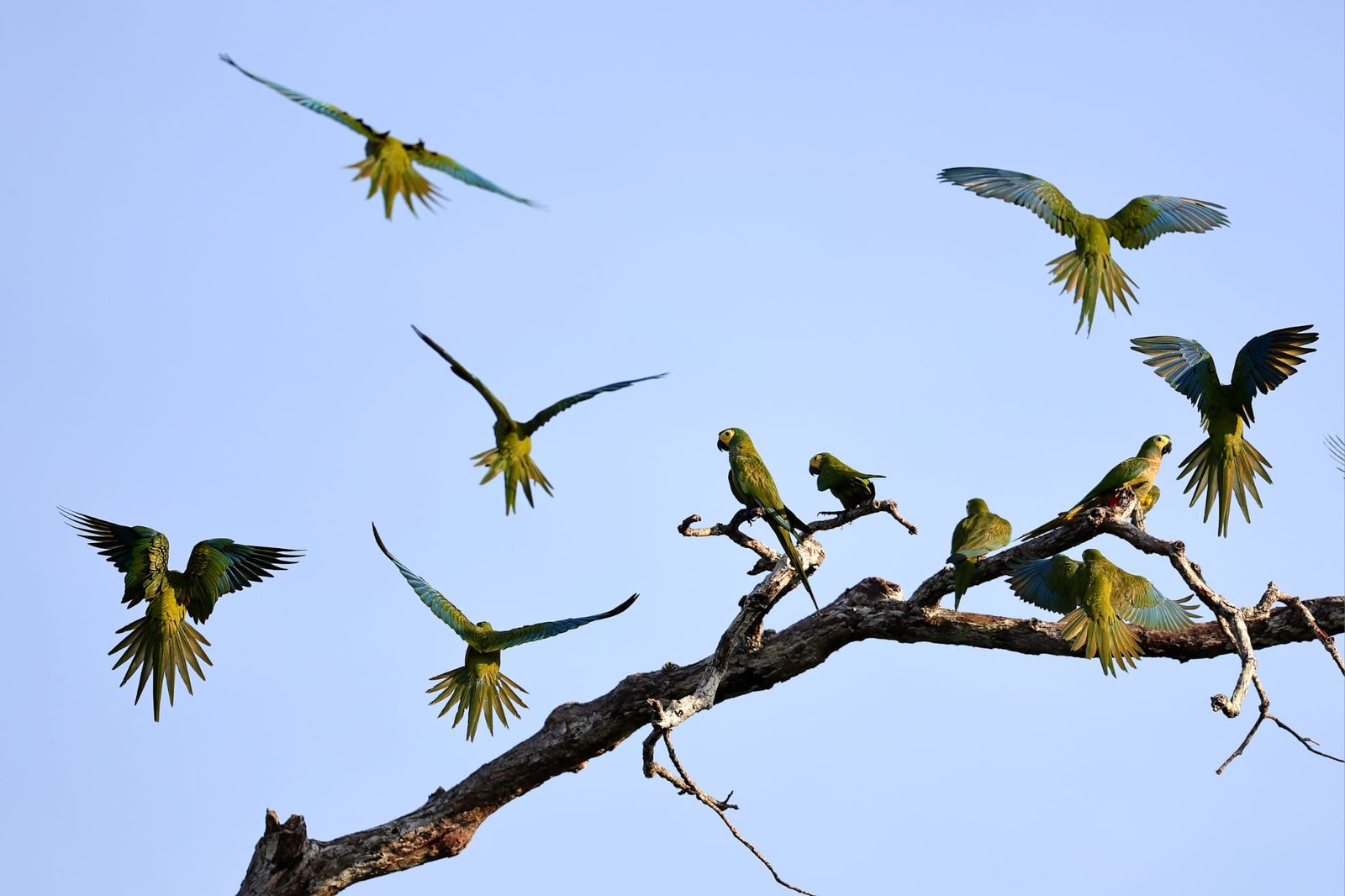
Mixed groups multi-day deep-jungle immersions led by native guides, across 175,000 hectares of pristine, indigenous-owned Amazon. 5 & 7 day scheduled departures, plus on-demand journeys built around your dates. Wildlife, canoe journeys, and nights under the canopy.
Days in the wild
Departures / month
Hectares of habitat
Fixed departures on a rolling calendar — 4 departures a month combined, reserve your spot online in seconds.
Not sure which month suits you? Read our guide to the best time to visit the Ecuadorian Amazon →
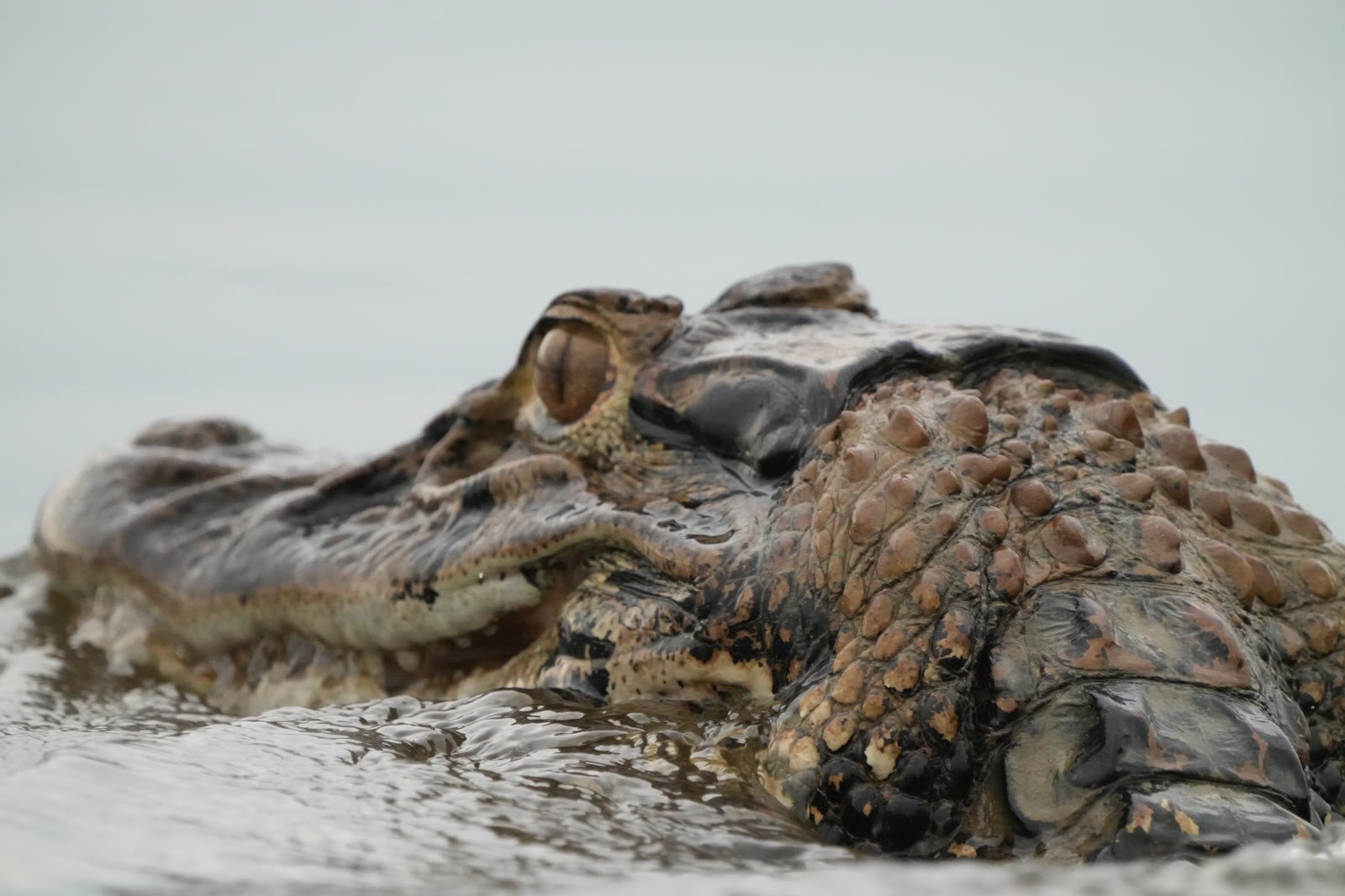
5-Day Amazon Immersion
The essential Tukunari experience — jungle treks, black-water lagoons, wildlife and community, from Coca deep into the reserve.
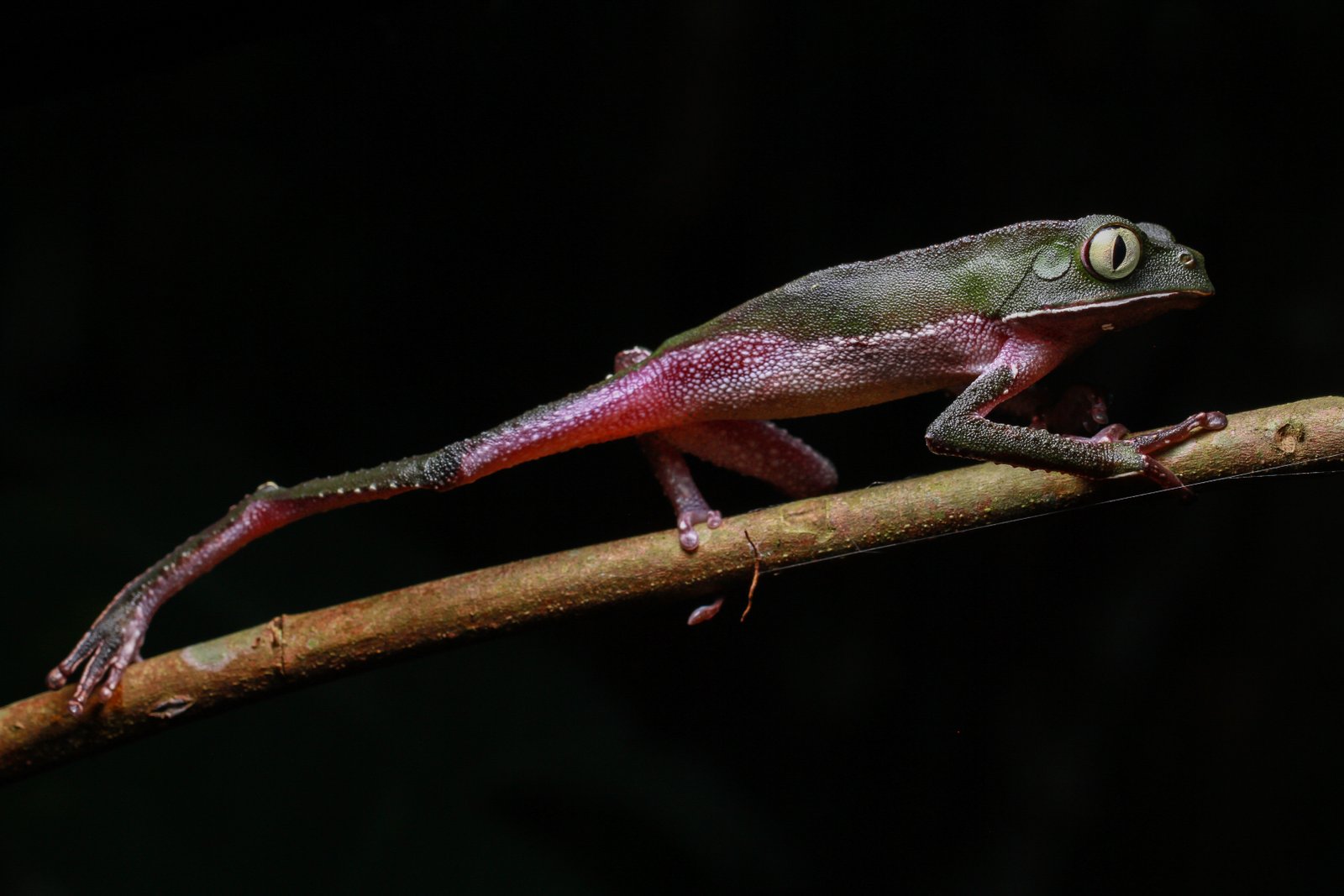
7-Day Amazon Immersion
Two extra days to reach the most remote satellite camps — deeper wildlife access, more time on the water, and the full arc of the territory.
Prefer to travel on your own schedule? These itineraries run on request — tell us your window and group.
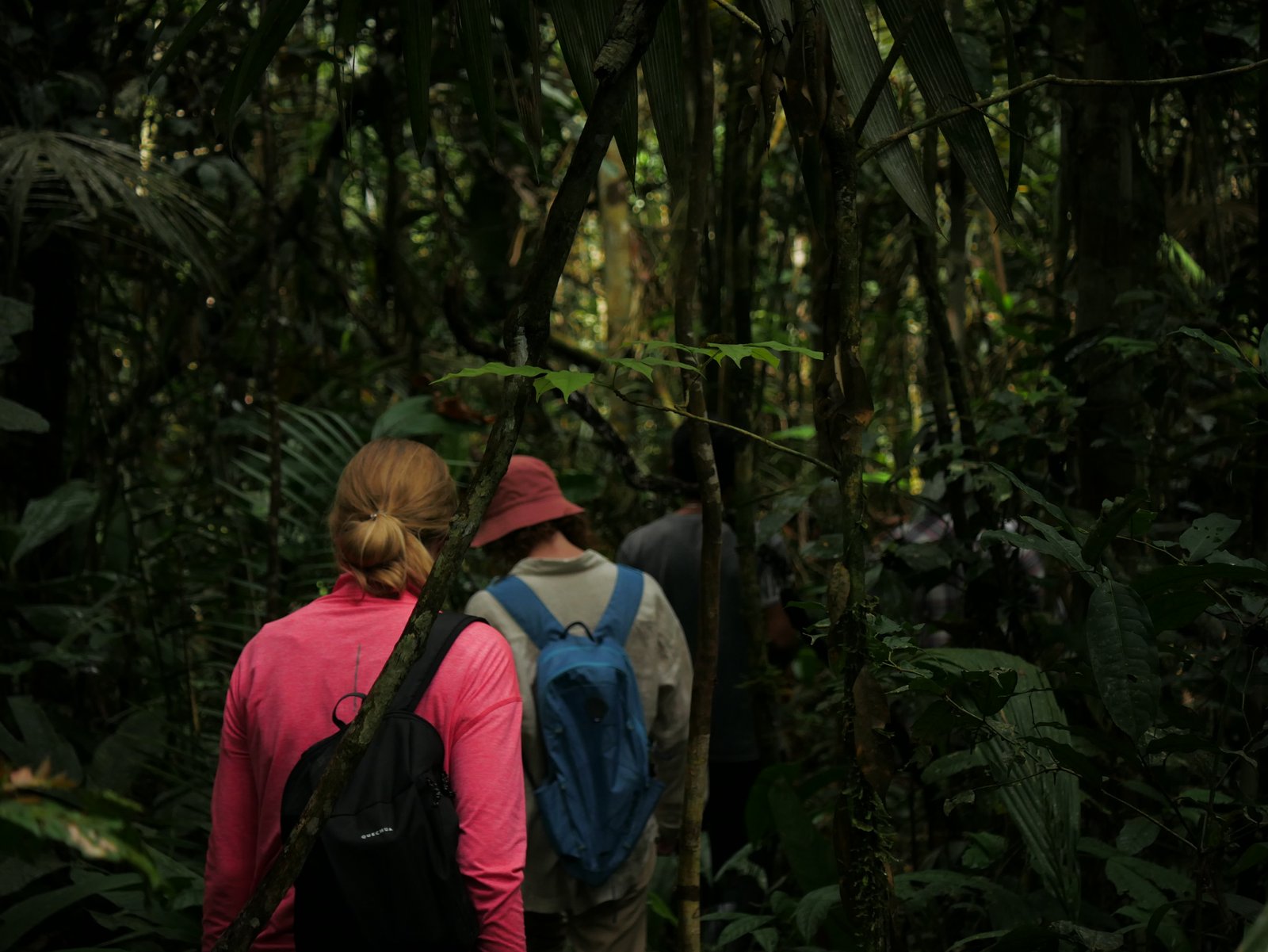
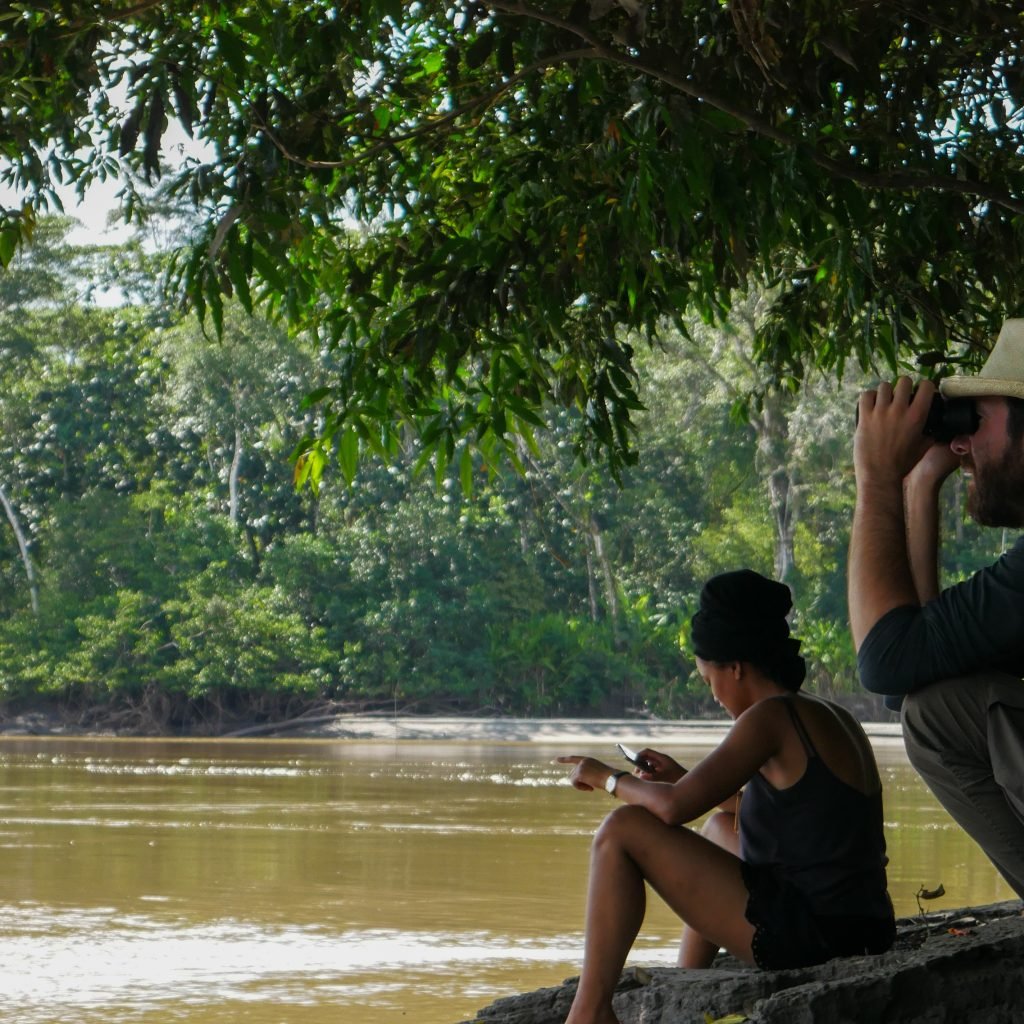
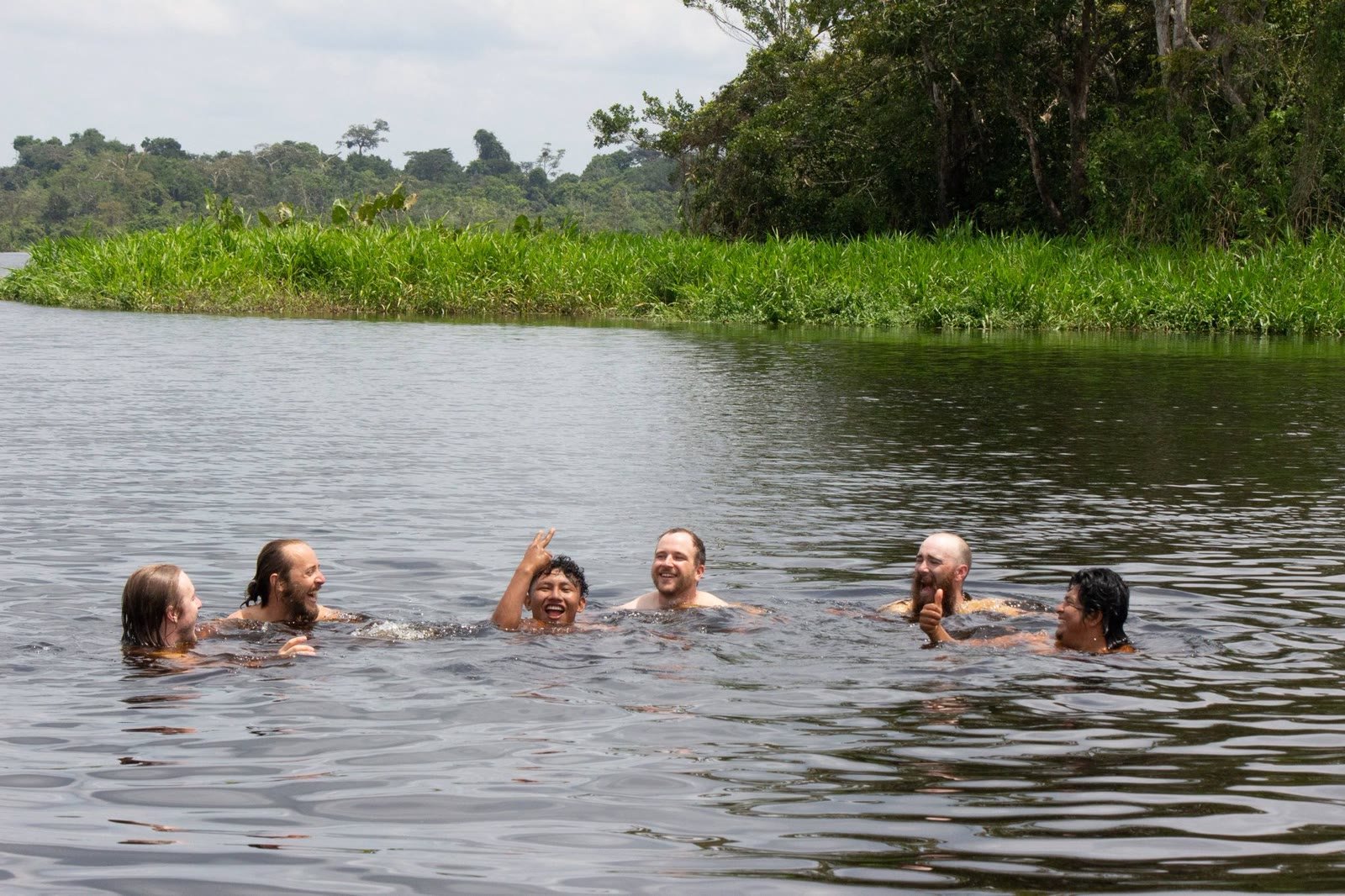
The 5- and 7-day journeys here are the same expeditions as the shared departures higher up — run privately, just for you: you and your partner, your family or your group, on your dates.
Every journey follows a detailed day-by-day itinerary — ask us for it on WhatsApp or through the contact page and we’ll send it over.
From the moment you land in Coca — so you can focus entirely on the jungle.
Guides born in the territory who read the jungle like a book — wildlife, plants, and stories.
Cozy cabins at Tukunari Lodge plus glamping at remote satellite camps deep in the reserve.
Private transport from Coca, motor & paddle canoes, and meals respecting your preferences.
60% indigenous-owned. Community entry fees and conservation support built into every trip.
See who we are, where we operate, and the story behind Tukunari Lodge.
Learn more about Travel the Amazon →
The 5-Day Amazon Deep Expedition — Tukunari Lodge · Zancudococha · Lagartococha · all-inclusive from Coca
Deep inside the Cuyabeno Wildlife Reserve, on 175,000 hectares of ancestral indigenous territory, Tukunari Lodge sits where the map ends — a minimum five-hour boat journey from the nearest road. No tourist convoys, no other lodges on the horizon, no folklore performances. At most a dozen travellers a month enter this area at all, and we bring more than 60% of them.
Five days is the essential Tukunari experience, and it is not a soft one: a dawn trek to the largest permanent lagoon in the Ecuadorian Amazon, a full rowing day lost in the Lagartococha wetlands, and a night run down a river in complete darkness. You are guided by a bilingual specialist and a community guide born on this river, in a company 60% owned by a Kichwa-Shuar family of the Zancudococha community, with a team that is 80% community members.
Wild animals do not keep appointments, and anyone who guarantees you one is closing a sale. It is common practice in this industry to over-promise and quietly under-deliver — and then to blame the empty days on wildlife being “unpredictable”, when the real reason is a tour running through a heavily affected area where there is barely anything left to see. These are our real field odds from an intact territory, given plainly — the surprises are exactly what makes each expedition unlike the last.
Departure around 7:30 AM from Coca (10 AM if you arrive by plane). Private taxi to the Tierras Orientales river port, then a 5-hour motorized canoe journey deep into the reserve.
Arrival at the lodge: meet the family, and an introduction to the project, the territory and the reserve over a welcome meal. At nightfall, your first walk into the jungle — nocturnal insects, tree frogs and reptiles. The Amazon after dark is an entirely different world.
An exceptionally intense day: it starts before sunrise and finishes well after dark.
At dawn: traditional guayusa tea with an elder of the family — a ceremony many guests describe as transformative, an insight into the history and culture of this territory that shapes everything you see for the rest of the trip.
Morning: a three-hour trek through dense forest, tracking large mammals and primates, ending at Zancudococha.
Afternoon on the lagoon: piranha fishing — no equipment, no experience, everyone catches something — then swimming in the same water, which takes most groups a minute to agree to and ten seconds to stop thinking about. Your catch is cooked at the lagoon camp and eaten within hours. Late afternoon the rowing canoes go out into the channels, and if the weather allows, an Amazonian sunset over the lagoon.
After dinner, back onto the water in the dark: the torch sweeps the surface and the eyes come back at you. Then the return, which is the reason this day exists — out of the lagoon into the narrow, forest-covered Zancudococha river, run in complete darkness with flashlights picking out the next bend seconds before you take it. You never know which creature might appear in the darkness after a bend in the river. You reach the lodge late and worn through, and almost nobody goes straight to bed.
A deliberate late departure, 9–9:30 AM — time to recover from Day 2. The journey toward Lagartococha and the Peruvian border is itself the wildlife spectacle: river turtles sunbathing on logs when the water is low, monkeys crashing through the canopy, pink dolphins surfacing alongside the boat, macaws perched in pairs, hoatzin clattering out of the branches. Arrival at the community platform around 12:30 PM.
Afternoon: a visit to a small Secoya community on the Peruvian side of the border, where you prepare casabe with them — a yuca flatbread made from scratch on clay plaques. Your chance to buy crafts directly from the makers: necklaces, clay pots, earrings and bracelets of fibres and seeds. Bring small US notes. No passport stamp needed. Return at nightfall, dinner at the platform, and a short night walk if the hour allows.
Before dawn, small rowing canoes push off into the flooded forest. Seven to nine hours navigating untouched lagoons and a small river that sees almost no human traffic — which is precisely why the wildlife density is what it is.
Expect multiple monkey troops overhead, hundreds of birds, very likely giant river otters hunting in family groups, pink dolphins surfacing beside the canoe, and caimans. Depending on water level: capybara, anaconda in the shallows, tapir at the water’s edge. Return early afternoon for lunch, then an unhurried journey back to Tukunari Lodge. Evening around the fire: stories, and the whole trip gone over again.
Breakfast and a final recap. If the schedule and everyone’s energy allow, there is time for one last short walk — often a gentle medicinal plant walk with an elder or the guide, learning to read the forest as a pharmacy. Ask for it and we will make room if the morning permits.
Departure toward Coca between 9 and 9:30 AM, arriving around 5 PM.
The 7-Day Amazon Deep Expedition — Pacuya · Zancudococha · Lagartococha · Imuya · all-inclusive from Coca
Deep inside the Cuyabeno Wildlife Reserve, on 175,000 hectares of ancestral indigenous territory, Tukunari Lodge sits where the map ends — a minimum five-hour boat journey from the nearest road. At most a dozen travellers a month enter this area at all, and we bring more than 60% of them.
The 7-day is not the 5-day with padding. It is a different route, and the extra time goes into the field rather than into transit: four separate zones worked properly instead of passed through, and roughly twice the hours on the water. A full day on the Pacuya River, a night sleeping on Zancudococha, and two nights in the Lagartococha wetlands instead of one — plus the weather margin to move an activity rather than lose it.
Wild animals do not keep appointments, and anyone who guarantees you one is closing a sale. It is common practice in this industry to over-promise and quietly under-deliver — and then to blame the empty days on wildlife being “unpredictable”, when the real reason is a tour running through a heavily affected area where there is barely anything left to see. These are our real field odds from an intact territory, given plainly. Nobody promises you the arapaima — but seven days is how you give yourself the hours it takes.
Departure around 7:30 AM from Coca (10 AM if you arrive by plane). Private taxi to the Tierras Orientales river port, then a 5-hour motorized canoe journey deep into the reserve.
Arrival at the lodge: meet the family, and an introduction to the project, the territory and the reserve over a welcome meal. At nightfall, your first walk into the jungle — nocturnal insects, tree frogs and reptiles.
At dawn: guayusa tea with an elder of the family — usually the mother, a woman who has witnessed in a single lifetime the complete arrival of modernity into the deepest reaches of the Amazon, from dugout canoes to smartphones. Breakfast follows.
~7:30 AM: departure for the Pacuya, a river the short expedition never reaches. You work your way up it slowly under engine, cutting the motor whenever something is spotted, taking the time to understand what you are looking at rather than photographing it and moving on. This is a river for monkeys, birds, giant otters, the first pink dolphins of the expedition, and with luck, larger mammals. Lunch is carried on the boats and eaten on site.
From ~1:30 to ~5:30 PM: the rowing canoes come out and you drift back down the Pacuya. Four hours, no engine, at the speed of the current — which is the speed at which this forest is actually legible. Back at the lodge around 6:30 PM.
Very early breakfast and on the trail by around 6 AM, the hour that gives the best odds of the forest still being awake. You carry only what the hike needs; everything else goes ahead by boat with the team.
Arrival at Zancudococha around 9–9:30 AM, then across the water to camp. A snack, then straight into the lagoon for a swim, then piranha fishing — a line, a hook, a stick and a piece of meat. You hand the catch to the cook and it comes back at lunch. An hour in the hammocks afterwards, which nobody argues with.
Between 3 and 5 PM, a hike on the trails behind the camp, timed to come off it for the sunset over the lagoon. After dinner, back onto the water in the dark for the caimans. Night in tents on real mattresses with proper bedding, with the lagoon making noise on three sides of you.
Early breakfast, and the rowing canoes push off around 6 AM down the Zancudococha river — narrow, winding, closed over by forest. This is the hour the nocturnal animals transition to sleep and the diurnal ones wake and move, active before the temperature climbs — and rowing it means you arrive at them silently. Tukunari Lodge around 9 AM: a shower, a repack, an hour off your feet while the team prepares the gear.
11:30–11:45 AM: the mouth of the Lagartococha river and the border with Peru. You stop here, because the pink dolphins live at this mouth and are usually working it. Then slowly upriver, looking for wildlife the whole way — monkeys, birds, dolphins, caimans. It may be the heat of the day and you may be travelling in a noisy motorized canoe, and it will not matter: the density of life in Lagartococha is such that you will see animals.
Unload at the community platform; hammocks while lunch is cooked. Late afternoon, out in the rowing canoes to the surrounding lagoons and channels, and an Amazonian sunset if the weather allows. Back after dark to dinner, then an hour-long night walk on the trails behind camp.
Before dawn, small rowing canoes push off into the flooded forest toward Imuya. Hours navigating untouched lagoons and a small river that sees almost no human traffic. Expect multiple monkey troops overhead, hundreds of birds, very likely giant river otters hunting in family groups, pink dolphins surfacing right beside the canoe, and caimans. Depending on water level: capybara, anaconda in the shallows, tapir at the water’s edge. The expedition’s highlight for most visitors.
Afternoon — one of two, and the water decides. If the level allows, a walk in the surrounding jungle. Often it does not, and instead we go to Delfín Cocha, where the dolphins gather, and take the whole circuit of the lagoon — scanning for Amazonian manatee and for arapaima, a prehistoric giant that has to surface to breathe every 15 to 45 minutes, which is the only reason anyone ever sees one. Back after sunset.
Breakfast, then across to a small Secoya community on the Peruvian side of the border, where you prepare casabe with them — a yuca flatbread made from scratch on clay plaques. Your chance to buy crafts directly from the makers: necklaces, clay pots, earrings and bracelets of fibres and seeds. Bring small US notes. No passport stamp needed.
Back to camp around midday for lunch, then departure for Tukunari Lodge between 2 and 3 PM. Evening around the fire: stories, and the whole trip gone over again.
Breakfast and a final recap. If the schedule and everyone’s energy allow, there is time for one last short walk — often a gentle medicinal plant walk with an elder or the guide, learning to read the forest as a pharmacy. Ask for it and we will make room if the morning permits.
Departure toward Coca between 9 and 9:30 AM, arriving around 5 PM.
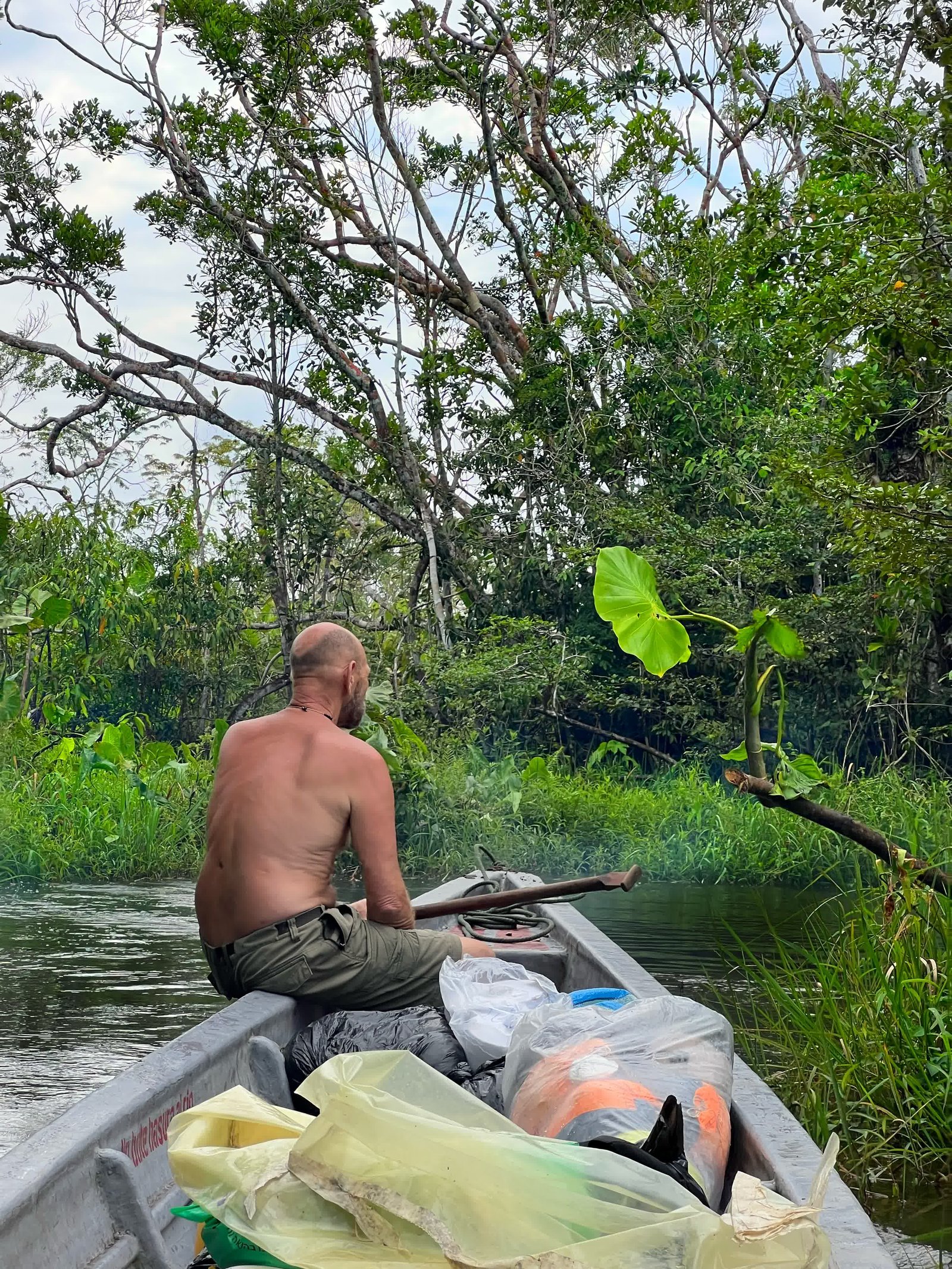
A wilderness rowing expedition — Aguas Blancas · Garzacocha · Piuri Cocha · Imuya · seven days, no engines
Wild animals do not keep appointments, and anyone who guarantees you one is closing a sale. These are our real field odds from an intact territory, given plainly. On caimans, precisely: you will see black caimans; white and dwarf are possible. In low water the odds shift across the board — animals concentrate on shrinking water, and anaconda moves up a tier. What a silent canoe adds is not on any list: animals that have never learned that a boat means people, and therefore do not leave.
This is the most demanding thing we run, and the least like a tour. From the moment you step into the rowing canoe at Aguas Blancas on Day 2 until the support boat collects you on Day 6, nothing on this expedition has a motor. Every other trip we run uses an engine to cover distance and rowing canoes for the good hours. Here the paddle is the transport.
That one decision changes what the forest does around you. A motor announces itself for hundreds of metres and empties a bank before you reach it; a paddle does not. You come around bends into animals that have not moved, close enough that the problem becomes holding the canoe still rather than getting near. That is the reason the trip exists.
You travel in the guest canoe with both guides. A second canoe carries the chef, the community helper, the tents and all provisions, and it leaves camp quietly after you do — deliberately, so it is not pushing wildlife down the river ahead of you — then overtakes by another channel and makes the next camp before you arrive. You paddle in, and dinner is already on. You carry a daypack; nothing else is your problem. The hikes are genuinely off-trail: outside the Day 2 boundary trail there are no paths, and the guides navigate by knowledge and GPS through palm swamp, terra firme ridge and gallery forest.
Arrive in Coca by bus from Quito (7–8 hours) or the morning flight (~30 minutes). Private transport to the Tierras Orientales river port, then about five and a half hours by motorized longboat deep into the reserve.
Arrival at Tukunari Lodge in time for a welcome dinner. The guides introduce the expedition, walk through safety and the communication kit, and fit your boots. At nightfall, an optional first walk behind the lodge — insects, tree frogs, caimans, reptiles.
Night 1 — Tukunari Lodge, private chalet with bathroom and shower.
Early breakfast, then a motorized transfer to Sacha Urku, the community checkpoint at the entrance to the protected territory. This is the threshold — and the last engine you will hear for five days.
From there a 3–4 hour guided hike follows the community boundary through primary forest. The community guide explains what the edges of 175,000 hectares of ancestrally managed land mean and how they are held; the naturalist reads forest structure, medicinal plants and animal sign. This stretch is one of the best in the reserve for large mammals — tapir use these trails, and giant otters are often heard along the creeks before they are seen.
While you walk, the chef and helper run ahead to the Aguas Blancas River, where the rowing canoe and your packed lunch are waiting. You are now about thirteen hours from the nearest road. The afternoon is 2–3 hours of first strokes, downstream to Camp 1 — arriving to tents already pitched, water purified and dinner on.
Night 2 — Aguas Blancas river area, supported wilderness camp.
A water day, deliberately a shorter physical push, because the night outing is the point. The morning rows downstream out of the narrow headwater channels into progressively wider, lagoon-rich water — you can feel the system opening up around you.
Garzacocha means Heron Lagoon, and it earns it. Open water ringed by flooded forest is close to perfect habitat for caimans, otters, hoatzin, herons and pink dolphins. The afternoon works the perimeter slowly by canoe, nosing into the flooded margins and then simply drifting.
Camp goes up early. After dinner the headlamps come on for a caiman spotlight survey — the guide sweeps the beam and the eyes come back at you, low orange points just above the waterline. Black and spectacled caimans are both regular here. The black caiman is the one that makes a canoe go quiet.
Night 3 — Garzacocha, supported wilderness camp.
Half water, half foot. A dawn paddle on the lagoon for the morning light and the first primate and bird chorus, then downstream past Kamu-kamu Cocha — named for the kamu-kamu, a river-edge tree whose fruit feeds a large share of the birds and primates in this system.
Mid-morning the guides pick an entry point and you go inland with no trail. The forest grades between palm swamp, terra firme ridge and gallery forest, each holding a different set of species, and the transitions are the interesting part. The community guide works through forest navigation, which plants are food and which are medicine, and the relationships the Kichwa have mapped over generations.
The afternoon returns to the canoe for Piuri Cocha, quieter and more enclosed than Garzacocha, ringed tightly enough to funnel animals to its shores at dawn and dusk.
Night 4 — Piuri Cocha, supported wilderness camp.
The longest paddling day, opening in the best habitat the flooded Amazon has: the igapó, seasonally inundated blackwater forest. When the water is high the canoe goes directly between the trunks of full-grown trees, down corridors that simply do not exist on foot. When the water is low, the same ground is walked instead.
Then the traverse to Laguna Imuya, one of the largest permanent lagoons in the system, fed by a blackwater river of the same name. Imuya is among the most isolated water in the reserve, and reaching it under paddle is something barely any visitor to Cuyabeno has done. Pink dolphins and giant otters are frequently reported on this stretch.
This is the day to stop counting hours. Settle into the stroke, let the silence work, and arrive at camp knowing the expedition has reached its farthest point from anything.
Night 5 — Laguna Imuya, supported wilderness camp. The most remote point of the route.
The last wilderness day, and the best chance on the route for something big. The morning pushes as far up the Río Imuya as conditions allow. As you go, the terrain lifts into highlands that stay above the seasonal flood line all year — so resident wildlife concentrates there permanently instead of dispersing with the water.
If levels allow, a walk into that high forest for white-lipped peccary, tapir, giant anteater and feline sign. This is hunting ground for jaguar and puma, and their tracks turn up regularly — the animals themselves almost never, which is the honest way to put it.
In the afternoon you come down to the Lagartococha community platform near the Peruvian border. Elevated and covered, lost in the most preserved wetland system in Ecuador’s Amazon: tents on proper mattresses, hot shower, kitchen, generator, WiFi, and nothing around it but forest and water. After four nights under canvas, the shower is not a small thing. If timing works, there is the option of crossing to a small Secoya community on the Peruvian side to make casabe on clay plaques and buy crafts directly from the makers. Bring small US notes. No passport stamp needed.
Night 6 — Lagartococha community platform.
Early breakfast and a 7:30 AM departure. The whole day is the river: down the Lagartococha to its mouth, stopping for the pink dolphins that work the confluence, then out along the Aguarico with the current — covering in a day what took five to cross on a paddle.
It is a long travel day, and that is the deliberate trade: leaving straight from the platform instead of doubling back to the lodge is exactly what buys the extra night in deep wilderness. Arrival at the Tierras Orientales port in the afternoon, then private transport to Coca. Do not book an evening flight out of Coca.